Objects of Study
Sports cards, real art, and a generation buying things they can actually hold, right as AI makes everything else infinite.

Now reading: Objects of Study
Watch someone pick up a graded card. Two hands. They tilt it toward the light, check it from every angle, set it down like it might break. Nobody taught them to do that. It just happens, the way it always does around things people have decided to care about. And the most online generation ever has decided, with real money on the line, to start caring about physical stuff again.
You can see it everywhere. Trading cards are a multi-billion-dollar market now, with single cards selling for the kind of money that used to belong to museums. The art world is being taken over by buyers in their twenties, people who track an artist for years before buying a single piece. Vinyl is outselling the formats that were supposed to kill it. Watches, first-edition books, old film cameras. Basically anything rare and real is going up. The strange part is who's driving it: the same people who grew up on their phones.
Why Now
Part of it is money. Cards and art turned into something you could actually invest in, with real data and grading and prices you could look up. For a generation priced out of houses and most other ways to build wealth, a collectable was a way to buy something that doesn't cost an arm and a leg.
The investing angle gave people a reason to spend, but they were always spending on something deeper than that.

Real in a World of Fake
Here's the deeper thing, and it's getting bigger by the day: AI.
We are heading into a world where anything digital can be made instantly and endlessly. Images, videos, music, writing. A prompt and a few seconds, and there's infinite more of it. When everything can be copied and generated forever, none of it feels special. It's just there, like water from a tap.
A physical object is the opposite of that. There's one of it. AI can't print you another. A card that exists, a painting someone actually made with their hands, a record that was pressed: these can't be faked into existence or spun up on demand. The rarer real things become, the more they're worth, and AI is quietly making real things rarer by making fake things free.
So the collectable stops being just a hobby. It becomes proof. Proof that something is genuine in a feed full of things that aren't.
Fewer, But Better
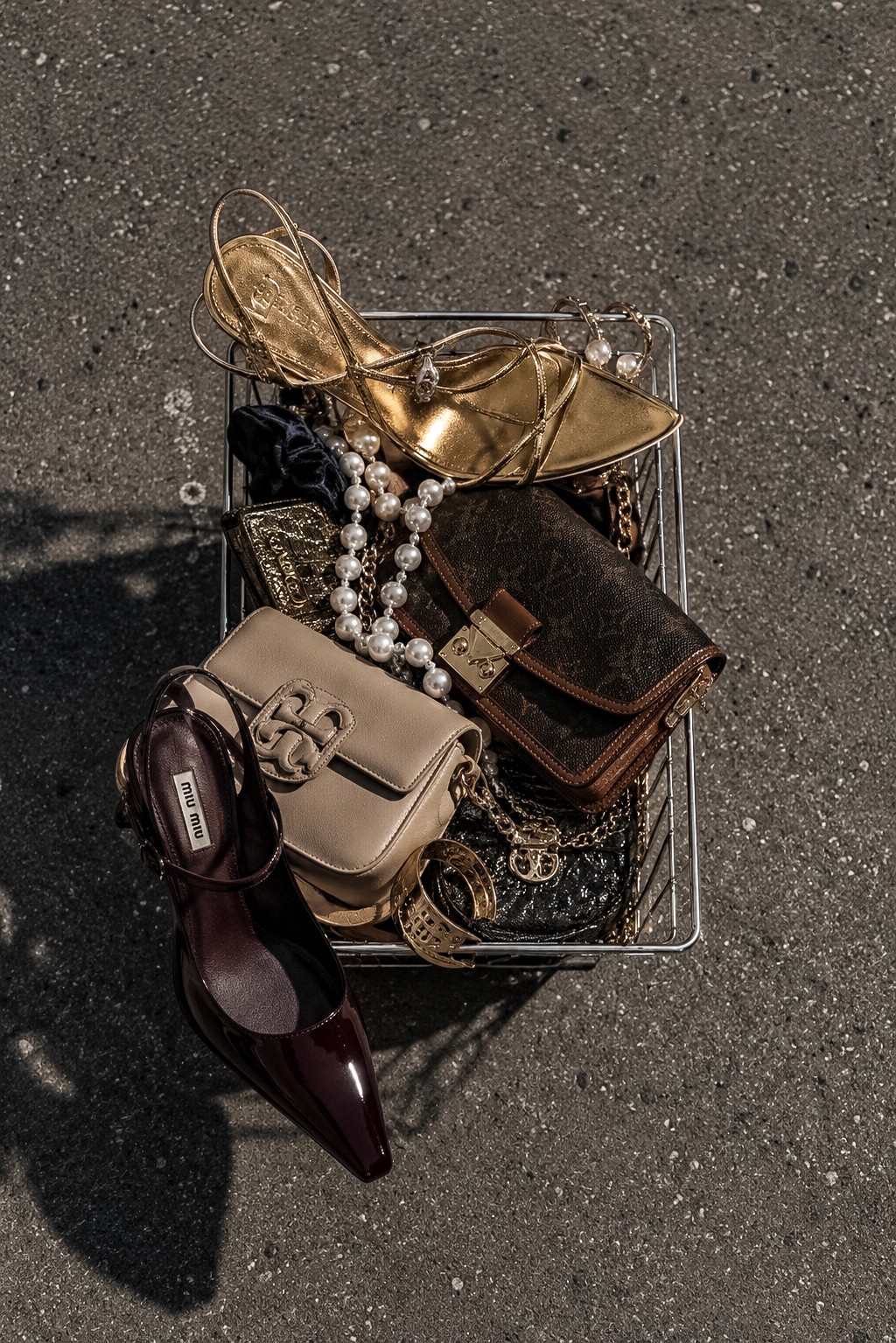
The best collectors aren't the ones with the most stuff. They're the ones with the least. Tight little collections where every piece earns its spot and nothing's there by accident. Ask them about one object and you get a whole answer: why this card, this artist, this purse, this record, and why not the hundred others they passed on.
That's the real flex. Having chosen. It's the same idea behind a really good wardrobe or a well-put-together room. The point isn't how much you own, it's that you meant all of it.
What Sticks
The internet isn't going anywhere, and AI is only going to make the digital world bigger and faster and more infinite. But that's exactly why physical things keep climbing. The more of life that becomes copy-paste, the more value lands on whatever can't be.
A generation that grew up online is buying real objects on purpose: things you have to store, protect, and hold. The feed forgets everything by morning. The card on the shelf doesn't. And more and more, that's the whole point.
Related
For readers focused on staying at the forefront of progress.